
Spending three days at ADIPEC 2026 in Abu Dhabi reminded me of something that often gets lost when we discuss oil and gas markets. Behind every forecast for global oil production, every movement in crude prices, and every decision by an operator to increase or reduce spending, there are hundreds of businesses trying to anticipate what happens next.
The sheer scale of this year's event was remarkable. According to the organizers, ADIPEC attracted 240,000 attendees from 170 countries, with 2,260 exhibiting companies spread across 16 exhibition halls and 30 country pavilions. More importantly, over 50,000 business deals worth an estimated $67 billion were recorded during the four-day event, an increase of 26.4% compared with 2025. To put that into perspective, nearly $14 billion more in business was recorded than the previous year, illustrating the scale of commercial activity taking place across the energy industry.
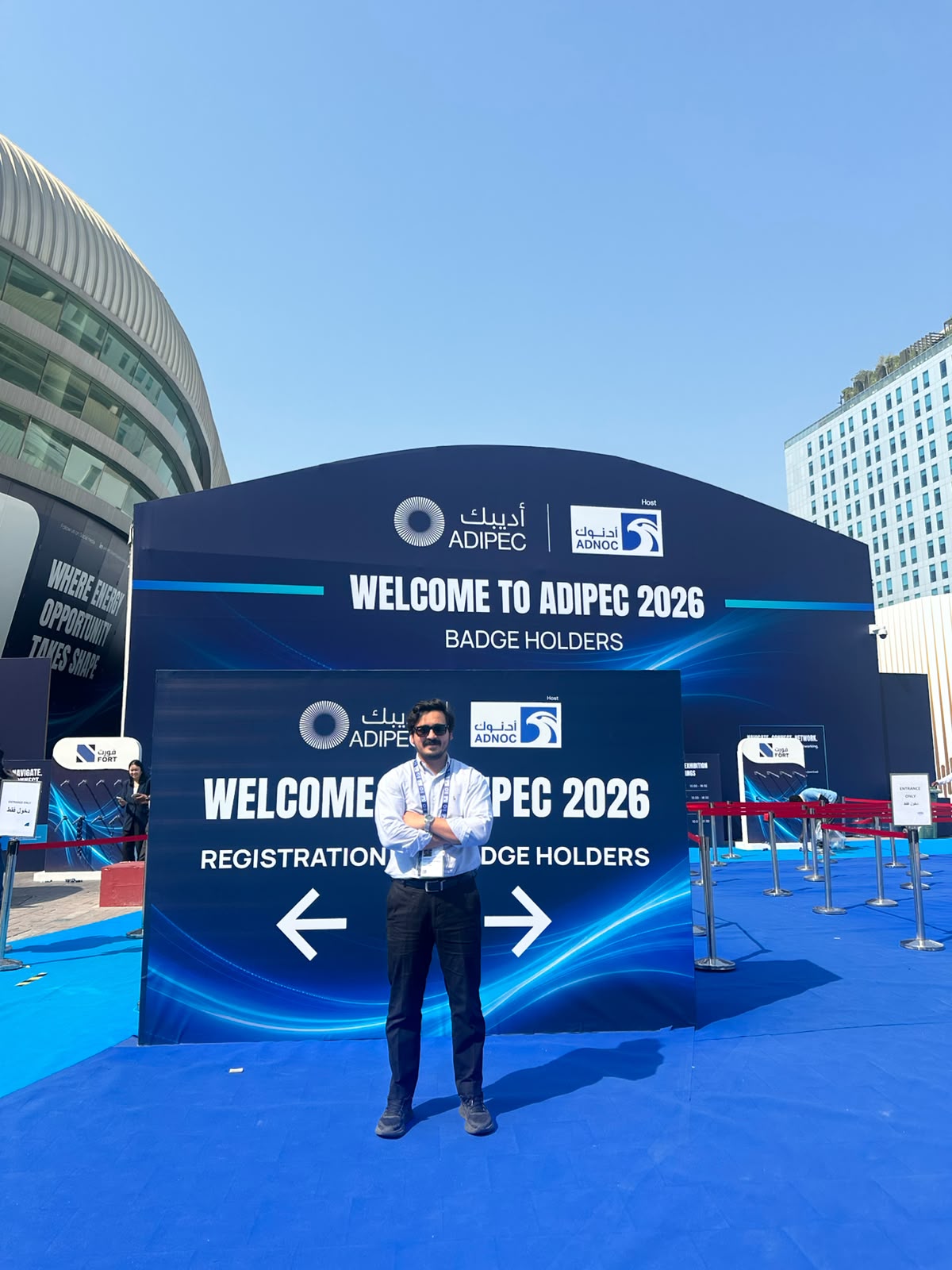
China, the United States, and Italy accounted for the largest number of exhibitors, while Asia alone contributed 353 companies, an increase of 12% year-on-year. More than 40 government ministers and policymakers were also present. However, beyond the speeches, agreements, and large investment announcements, what interested me most was the enormous network of businesses supplying the equipment and services that keep energy production running. Walking through the exhibition halls, I encountered an extraordinary range of companies manufacturing everything from drilling equipment and high-pressure pumps to wellheads, valves, tubular products, chemicals, and specialized components. There were also businesses offering automation, digital monitoring, artificial intelligence, and technologies designed to improve operational efficiency.

Representing Primary Vision, I had the opportunity to meet and speak with representatives from companies including NOV, Weatherford, Nabors, EnerCorp, Superior Energy Services, Huntsman, DuPont, and several others. Although they operate within the same industry, their businesses, customers, and exposure to oil and gas activity differ considerably. What interested me most was the economic relationship between the products these companies sell and the activity taking place in the field.
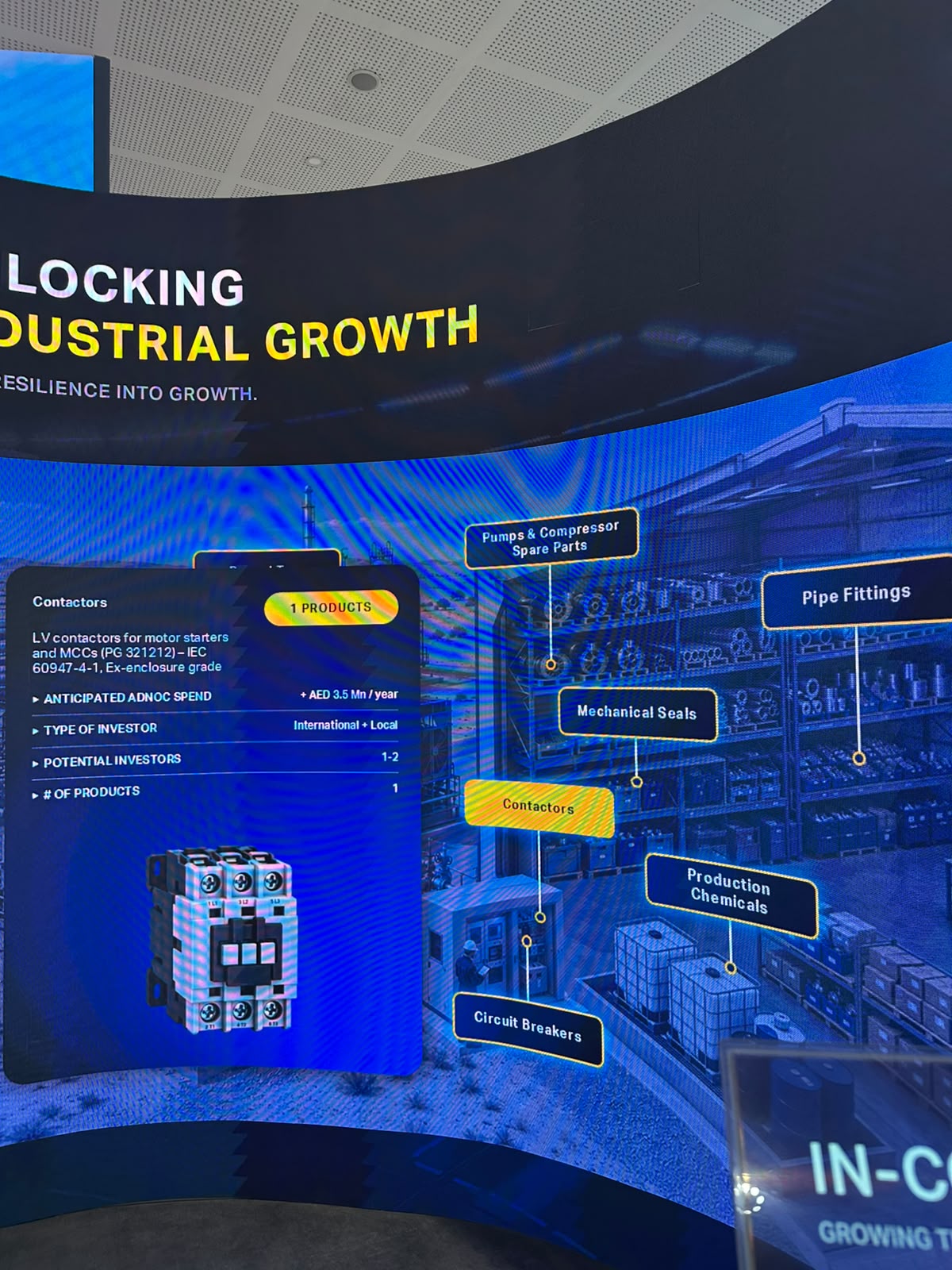
Consider a manufacturer of high-pressure pumps used in hydraulic fracturing. Its business does not depend solely on the price of oil. It also depends on how many frac fleets are operating, how intensively those fleets are being used, whether customers are investing in additional capacity, and how much equipment requires maintenance or replacement. A chemical supplier faces a different set of questions. It needs to understand where completions are occurring, how much material is being consumed, and whether changes in completion designs are affecting demand. A manufacturer of wellheads or other drilling equipment, meanwhile, may be more exposed to drilling schedules, well construction activity, and operators' capital expenditure decisions.
These distinctions become especially important when oil prices are volatile. A decline in crude prices does not necessarily translate into an immediate or proportionate decline in demand for every oilfield product. Operators may continue completing previously drilled wells, service companies may defer equipment purchases, and efficiency improvements may allow production to hold up even as activity slows. It was while having these conversations that I found myself thinking about the commercial importance of what we have been building at Primary Vision.
Our Frac Spread Count measures active hydraulic fracturing operations across the United States, while the Frac Job Count tracks the actual number of fracturing jobs. These indicators provide different but complementary views of completion activity, helping us understand not only how much capacity is operating but also the work being performed. This matters because drilling, completions, and production are three different stages of the upstream cycle. They are connected, but they do not always move together. A drilling rig count alone cannot tell a pressure-pumping company how much fracturing activity is occurring, just as current production figures cannot fully explain the demand facing equipment and consumables suppliers.
Through EFRACS, we take this analysis further, bringing together information on operators, pressure pumpers, completion activity, locations, and well-level consumables, including water, proppant, and chemicals. For companies exposed to U.S. onshore operations, this intelligence can support decisions about sales planning, equipment demand, customer targeting, inventory, and market forecasting. The application differs by company, but the underlying need is similar: understanding where activity is taking place and how it is changing.
Another observation from ADIPEC was the increasing emphasis on technology and artificial intelligence. The event's AI Zone expanded by 20% compared with last year, reflecting the industry's growing interest in digital solutions. Yet even the most sophisticated analytical system depends on the quality of the information feeding it. Better models cannot compensate for incomplete visibility into underlying operations. My conversations at ADIPEC were therefore not simply about introducing Primary Vision. I wanted to understand how companies forecast demand, what intelligence they currently rely on, and where independent operational data could complement their existing information. Some discussions opened the door to potential trials, introductions to relevant teams, and further conversations about EFRACS.
I returned from Abu Dhabi with an even greater appreciation of the complexity of the oilfield supply chain, but also of the opportunity that complexity creates for companies like ours. Oil prices may dominate the headlines, but for much of the industry, the more immediate question is what operators are actually doing on the ground. That determines how much equipment is needed, where services are deployed, and how demand develops across the supply chain.
And this is precisely why I believe the work we are doing at Primary Vision, particularly through EFRACS, has become increasingly relevant.