







Articles
- BLOG / Articles / View
- Articles
Market Sentiment Tracker: Washington’s Choice: Higher Rates or a Shorter War
By Osama on September 1, 2026 in Market Sentiment
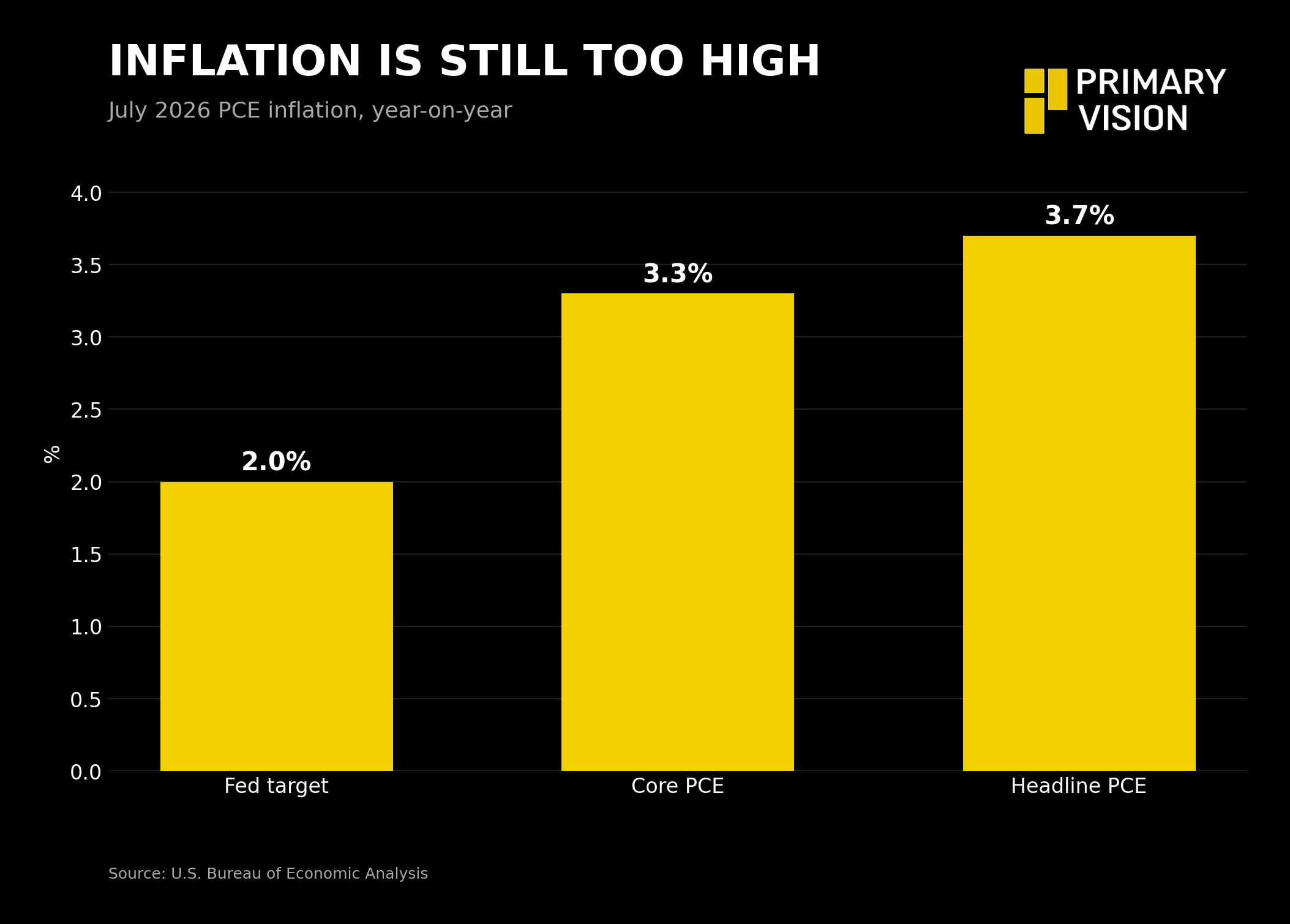
Kevin Warsh’s problem is not simply that inflation remains too high. It is that the United States is trying to contain inflation, finance a large fiscal deficit and sustain a costly war while long-term borrowing costs are already close to their highest levels in years. The Iran war has made those objectives harder to reconcile. The Federal Reserve’s preferred measure of inflation, PCE, was running at 3.7% in July. That is still well above the Fed’s 2% target. Markets have therefore become much more willing to believe that another rate increase may be necessary, with the probability of a September move rising above 65%. On inflation alone, the policy prescription would be relatively clear: keep monetary conditions tight until price pressures ease.
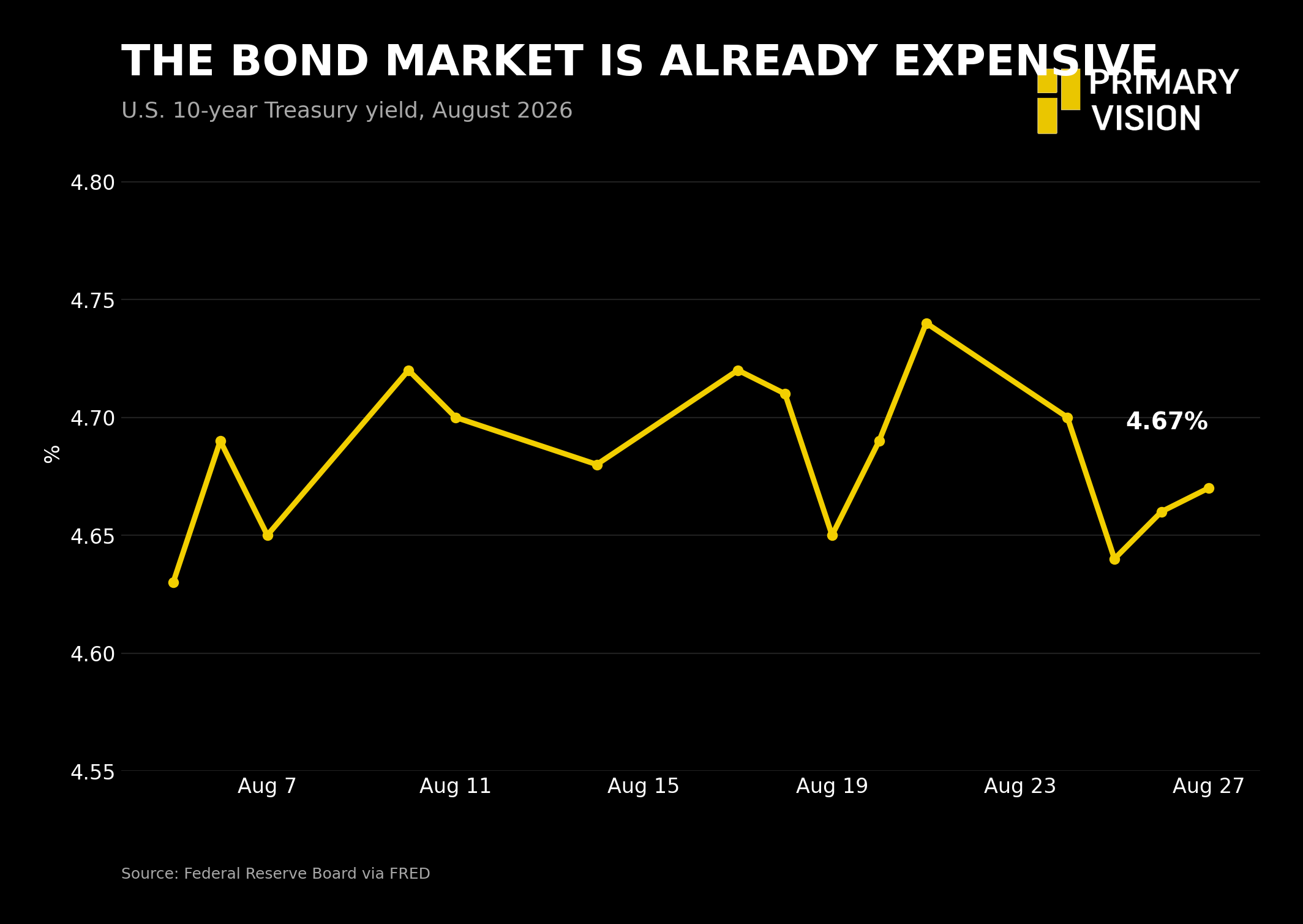
The complication is the bond market. The yield on the ten-year Treasury has climbed above 4.75%, leaving the government to finance heavy borrowing at a much higher cost. The federal deficit is expected to be around $1.9trn in fiscal 2026, while debt held by the public is already roughly equal to annual GDP. That makes further monetary tightening more expensive than it would have been in an earlier cycle. Higher policy rates do not merely restrain households and firms. Over time they also raise the cost at which the Treasury refinances its debt.
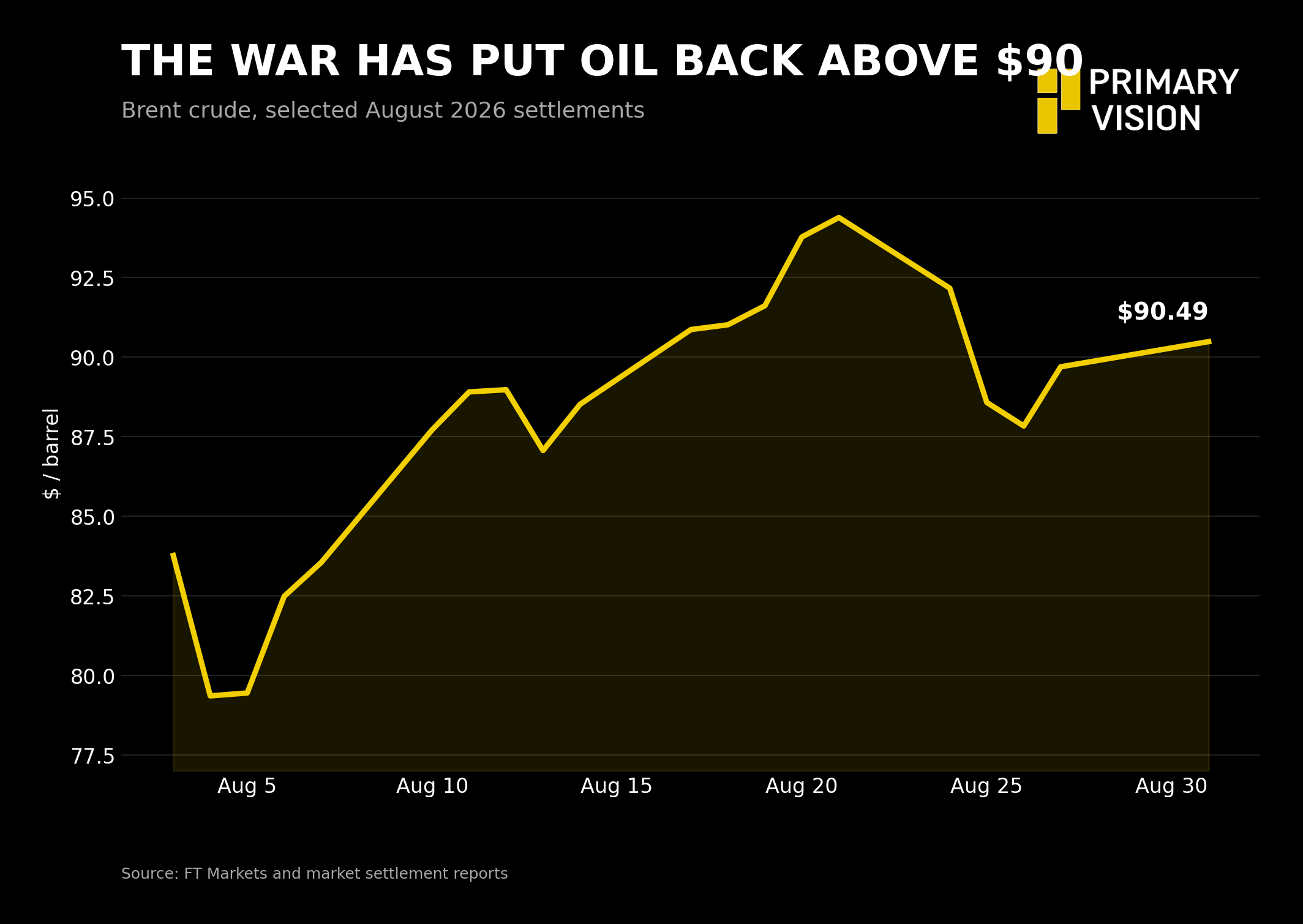
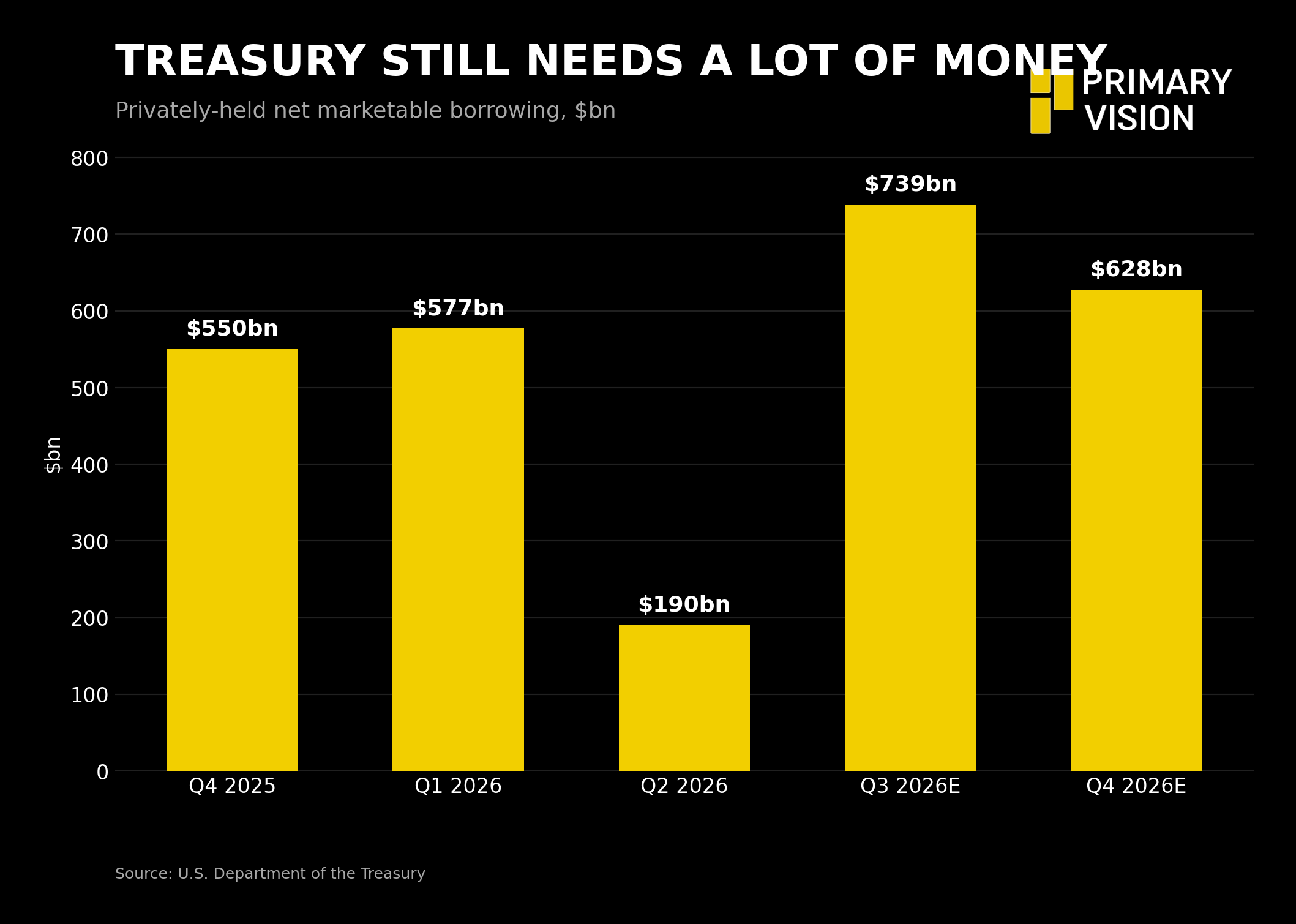
The war adds another layer. Treasury expected to borrow $739bn from private markets in the July-September quarter. Continued military spending raises the government’s financing requirement further. At the same time, the conflict has pushed Brent crude above $90 a barrel. That is the awkward combination. Fiscal policy is adding to borrowing needs while geopolitics is adding to inflation. Higher oil prices need not produce a permanent inflation problem. But they do make the Fed’s job harder. Energy feeds into transport, production and household costs, while also influencing inflation expectations. If the shock persists, the central bank has less room to tolerate inflation above target. This leaves Washington with several unattractive choices.
The Fed could tighten more aggressively. That would strengthen its inflation-fighting credentials and might eventually reduce demand enough to bring prices under control. But it would also keep financial conditions tight, weaken interest-sensitive parts of the economy and make government borrowing still more expensive.
Alternatively, the Fed could resist further tightening in order to avoid additional pressure on the bond market. That would reduce the immediate strain on borrowers, but it would carry another risk. If investors concluded that the Fed was becoming more tolerant of inflation, long-term Treasury yields might not fall at all. They could rise as markets demanded a greater inflation premium. That matters because the Fed controls the overnight policy rate, not the ten-year Treasury yield. Long-term borrowing costs reflect expected inflation, future interest rates, fiscal deficits and the amount of debt investors are being asked to absorb.
The Treasury can ease market pressure at the margin through buybacks or by altering the maturity of issuance. Such measures may improve liquidity or reduce stress in particular parts of the curve. They do not remove the underlying borrowing requirement. The more durable solution would therefore have to come from reducing one of the pressures rather than trying to offset all of them through monetary policy. The clearest candidate is the war.
A credible de-escalation in Iran would have two important macroeconomic effects. It would limit additional fiscal costs and, more importantly, could remove part of the geopolitical premium embedded in oil prices. Lower energy prices would improve the inflation outlook without requiring the Fed to engineer a larger slowdown in domestic demand. That would give monetary policy more time. If oil eased first, inflation could begin to fall with less help from higher rates. The Fed could then remain restrictive without having to tighten aggressively. As inflation expectations softened, long-term Treasury yields would have a better chance of declining in an orderly way.
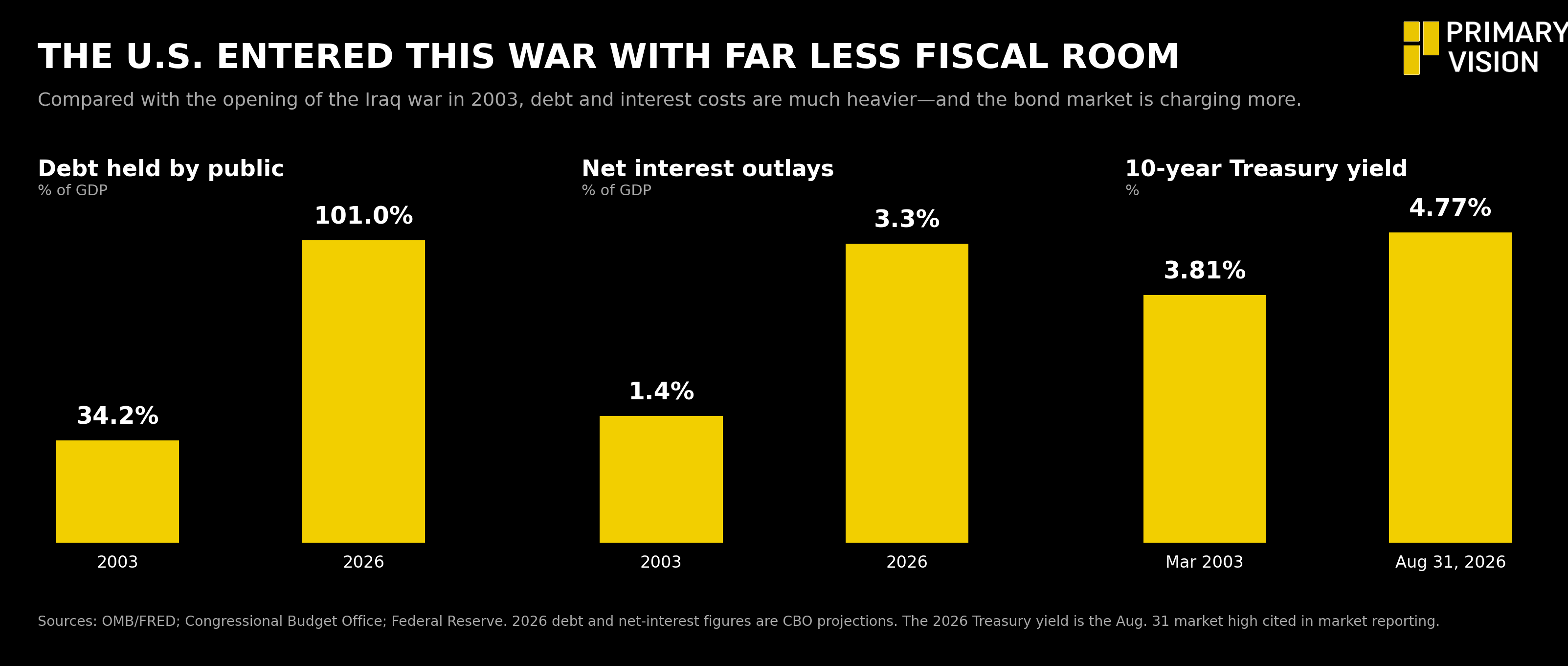
The sequence is important. Trying to force bond yields lower while inflation remains elevated would risk undermining confidence in the Fed. Trying to crush inflation with substantially higher rates would place additional strain on an economy and government already facing high borrowing costs. The least damaging route is therefore to reduce the geopolitical source of the inflation shock, allow price pressures to cool and give the bond market time to adjust.
America is now caught between inflation and the bond market. The Iran war has tightened that constraint by increasing both the cost of government and the cost of energy. If Washington wants lower yields without sacrificing monetary credibility, winding down the war may be the most useful first step.
Tags:
Permission denied
Upgrade to Pro Today and get…
• This article — plus dozens more each month, all within our full Research Module
• Frac Hits — our National-Level Frac Spread Count and Frac Job Count, updated weekly
• Frac Operator Monitor — detailed FSC & FJC by operator
• And so much more, designed to help you track, forecast, and outperform